


From the Cricket Pitch to the IP Office – When a Signature Becomes Strategy
How Cricketers Turn Signature Moves into Trademarks
In today’s hyper-connected sports ecosystem, a cricketer is no longer defined only by runs, wickets, or trophies. Identity now extends beyond performance and into personal branding, where even a celebration, nickname, or playing style can carry immense commercial value. What was once an instinctive expression on the field has now evolved into a strategic intellectual property asset.
This transformation is clearly visible in recent developments involving Indian cricket icons such as MS Dhoni, Jasprit Bumrah, Virat Kohli, and Rohit Sharma. Their actions signal a larger shift in how athletes view ownership, identity, and long-term brand security.
Welcome to the era where a signature trademark becomes strategy.
The Rise of Athlete Branding in Modern Sports

Athletes today operate in a digital-first environment where visibility equals value. Social media, endorsements, fantasy leagues, and content platforms amplify every movement an athlete makes. A unique bowling action, celebration, or nickname can instantly go viral — and once it does, it becomes commercially exploitable.
This evolution has made sports personality trademark strategy an essential component of career planning. Athletes are now brands, and brands must be protected.
MS Dhoni – The Original Blueprint of Sports Branding
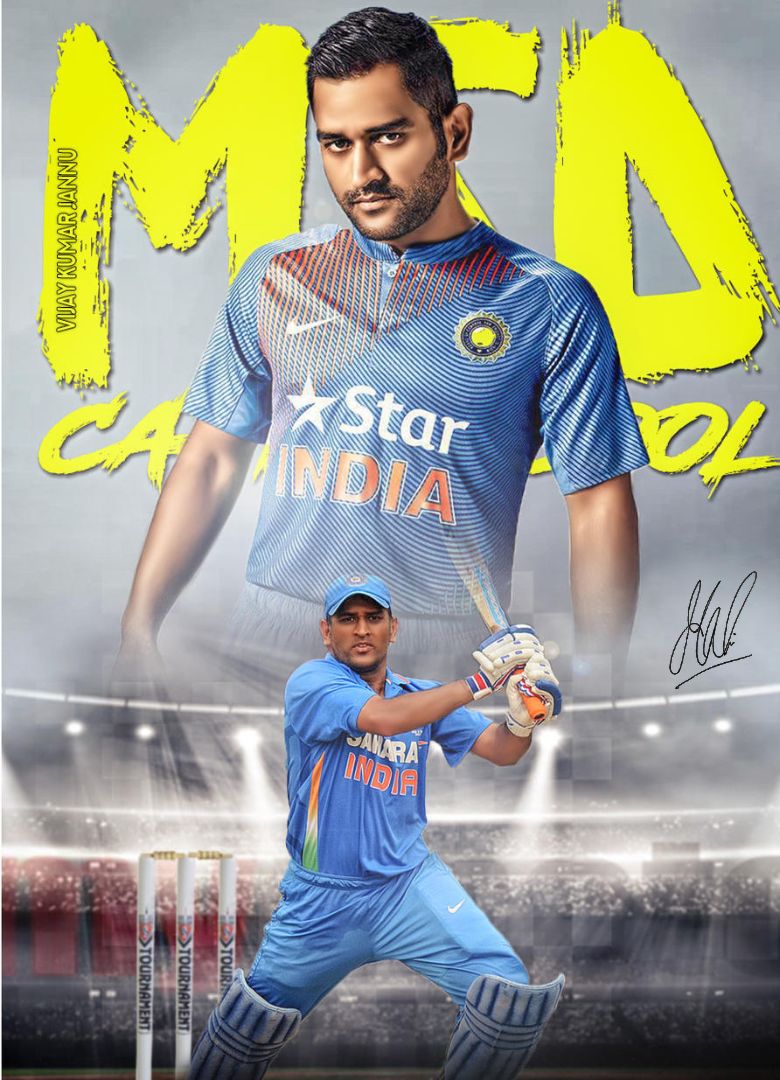
Long before trademarks became mainstream in Indian sports, MS Dhoni understood the power of perception. His trademarked title “Captain Cool” is a masterclass in brand longevity.
The phrase doesn’t just describe temperament — it represents leadership, composure, and trust. Today, it extends into:
-
Sports academies
-
Coaching initiatives
-
Motivational branding
Dhoni’s strategy proves that intellectual property can outlive active sports careers.
Jasprit Bumrah – Turning a Name into a Brand Asset
Jasprit Bumrah’s unorthodox bowling action and short run-up have always set him apart. Recognizing the commercial strength of his identity, Bumrah filed a trademark application under his name in January 2025, covering categories such as broadcasting and audio-visual services.
This move highlights a key principle in trademark law: your name becomes protectable when it functions as a brand.
By securing legal ownership over his name, Bumrah gains:
-
Exclusive rights to commercial use
-
Protection against unauthorized endorsements
-
Future licensing and media opportunities
This is not just about fame — it is about control.

Virat Kohli and the Power of Signature Gestures
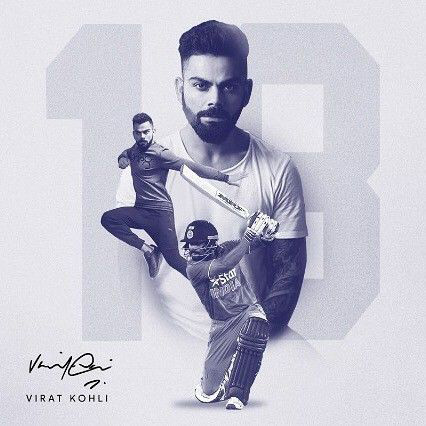
Celebrations are no longer fleeting emotional moments. Virat Kohli’s trademark application for his iconic “bow-down” celebration reflects how gestures themselves can function as identifiers.
In branding terms, such gestures operate as non-traditional trademarks. When fans immediately associate an action with a particular athlete, that action carries source-identifying value.
By trademarking the gesture, an athlete can:
-
Prevent misuse of merchandise or media
-
Monetize through branding campaigns
-
Preserve exclusivity in endorsements
Gill’s move represents the next generation of athletes thinking beyond the scoreboard.
The Legal Side – What Can Be Trademarked?
Under trademark law, athletes can protect:
-
Names and nicknames
-
Logos and symbols
-
Signature celebrations
-
Catchphrases
-
Stylized initials
The key requirement is distinctiveness and commercial intent.
This is where IP strategy intersects with sports management.
Why Sports Personality Trademark Strategy Matters
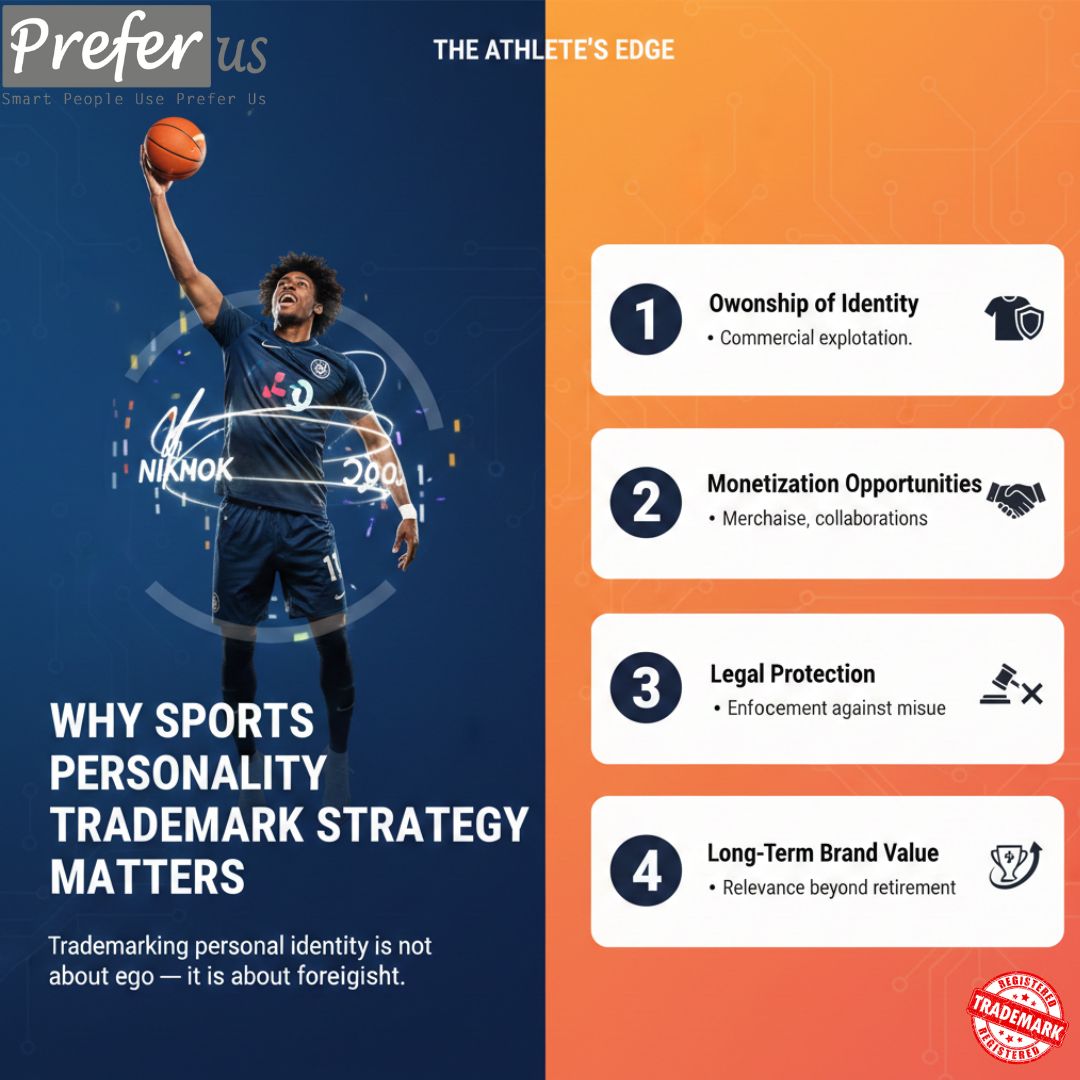
Trademarking personal identity is not about ego — it is about foresight.
1. Ownership of Identity
Without trademark protection, anyone can commercially exploit a popular phrase, celebration, or nickname.
2. Monetization Opportunities
Licensed merchandise, collaborations, digital content, and endorsements depend on ownership clarity.
3. Legal Protection
Trademark registration allows enforcement against misuse, dilution, or false association.
4. Long-Term Brand Value
Careers end. Brands don’t. Trademarks ensure relevance beyond retirement.
India’s Growing Awareness of Sports IP
India is witnessing a growing understanding of intellectual property in sports. Athletes, agents, and sports lawyers are now collaborating to secure brand assets early in careers.
This trend aligns India with global sports markets, where trademark portfolios are considered as valuable as sponsorship deals.
As more Indian athletes step onto international platforms, brand protection becomes non-negotiable.
From Expression to Asset – The Strategic Shift
What makes this movement powerful is its simplicity. Athletes are not creating artificial brands — they are protecting what already comes naturally to them.
A bowling action.
A calm demeanor.
A celebratory bow.
These expressions now form legally protected identities.
Lessons for Athletes and Creators
This strategy isn’t limited to cricket. It applies equally to:
-
Footballers
-
Esports players
-
Influencers
-
Coaches
-
Content creators
If your audience recognizes you by a specific action, phrase, or style — that is a brand worth protecting.
Final Thoughts: Athlete Branding and Trademark Strategy Explained
The journey from the cricket pitch to the IP office represents a broader evolution in professional sports. Athletes are no longer just performers; they are brand custodians.
By embracing trademark protection, players like Bumrah, Dhoni, and Virat demonstrate that individuality is not just celebrated — it is secured.
In a world where identity drives value, the smartest play may not always be on the field — but on the trademark register today.